Explore Ratargul
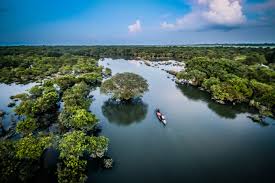
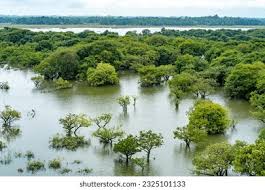
Ratargul is a place of Syhlet,Bangladesh. The famous spot of Ratargul is Ratargul Swamp Forest. Bangladesh, with its vibrant landscapes and lush greenery, especially during the rainy season, beckons nature enthusiasts to explore its natural wonders. One of the crown jewels among these is Ratargul Swamp Forest.
𝓐𝓫𝓸𝓾𝓽 𝓡𝓪𝓽𝓪𝓻𝓰𝓾𝓵
Ratargul is the only 'freshwater swamp forest' in our country. The distance from Sylhet to this
country's only recognized swamp forest is about 20 kilometers. The location of this water forest is Khadimnagar union of Sadar
Upazila of Sylhet district and Fatehpur union of bordering Upazila Gowainghat.
The Goain River, which flows down from Meghalaya in the north, has a huge haor in the south. In the middle of the 'Jalaban'
Ratargul. According to Wikipedia, there are only 22 freshwater wetlands in the world. There are two Indian subcontinents, one
in Sri Lanka and the other in our Ratargul.
Amazon is the only one that can be compared with this beautiful forest. Although known as the Rain Forest, the Amazon is the
largest freshwater swamp forest in the world. This freshwater forest is our Ratargul just like the Amazon swamp.
In the local language of Sylhet, murta or patigacha is known as 'Ratagacha'. The name of this forest is Ratargul after the
name of that idol or Ratagachera. Like the Amazon, most of the vegetation stays underwater for four to seven months a year.
The waters of Meghalaya in India flow into the Goain River, and a narrow tributary of the Chengi Canal floods the entire
Ratargul wetland. There is almost always water in the forest during the monsoon season (May-September). In winter, of course,
it happens, and like ten forests, it is a dry land with fallen leaves. And the small canals become footpaths. And then the
aquatic fauna is sheltered in the big lakes dug by the forest department.
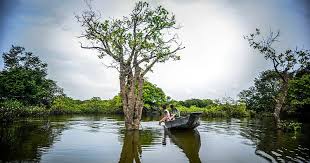
The state of this water is very strange in the rainy season. Up to the waist of a tree is submerged in water. Those that are a
little smaller, they are half submerged in water again. Fishermen are getting fishing nets somewhere. The whole forest seems
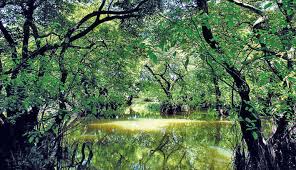
to be dark because of the dense vegetation. Occasionally the tree stalks will block the path. They have to be removed by hand.
However, in the rainy season, you have to be very careful in this forest. Because Ratargul is the arena of snakes. In the
rainy season, snakes take their place on the trees.
According to the forest department, the area of this forest is 3325.61 acres. Of these, 504 acres of forest was declared a
wildlife sanctuary in 1983. There are about 25 species of water tolerant plants in this huge forest. Although it is a natural
forest, the forest department has planted various species of water tolerant trees including cane, kadam, hijal and murta. In
the Ratargul forest, there are many venomous species of snakes, including non-venomous guisap, jaladhora and gokhra. When
water enters the forest in the rainy season, these snakes fall on the trees.
Many species of wild animals including fish tigers, squirrels, monkeys, otters, wild cats, beji and foxes roam in the forest.
Tengra, khalisha, ritha, pabda, maya, ayr, kalbaus, rui and many more species of fish are found in this forest. Birds include
white buck, kani buck, mashranga, tia, bulbuli, pankauri, dhupi, pigeon, kite and falcon. In winter, all the vultures come
from time to time. And after crossing a long path, various species of birds including sand ducks come to the base. In the dry
season, if you go inside with a dinghy, flocks of birds will fly away and make their way to you. This scene is really rare!
There are more trees here. Hijle has hundreds of fruits. Bots will also catch the eye from time to time. And south of the
forest is the predominance of murta (patti) trees. The forest department has commercially installed sculptures in a large part
of Ratargul. The idol is cooled. There are more idols on the opposite side of the river. Besides, there are two big haors
named Shimul Beel Haor and Neva Beel Haor.
How to go there?
- Local Bus/AC Bus
- Microbus
- Train
- Car
- Airplane
Discription of Transport & its Rent
From Dhaka to Sylhet, there are some bus services that leave from Gabtali and Sayedabad bus terminals. From
Fakirapul, Sayedabad and Mohakhali bus stations, you will find the Green Line, Saudia, S. Alam, Shyamoli and Ena Paribahan. If you go with
AC buses, it will cost you between BDT 800 to 1100 and with non-AC, it will take BDT 400 to 450.
If you want to go by train, from Dhaka to Sylhet, you need to go from Kamalapur or Airport Railway Station by Upabon, Jayantika, Parabat
or Kalni Express train.
From Chittagong to Sylhet, you can also go by train. You will find two trains including Pahari and Udayan Express that go six days a
week.
If you look for the easiest and fastest ways, you can go by Plane. From Shahjalal International Airport, you will find Biman Bangladesh,
Regent Air, United Airways, Novo Air and US Airplane Air Biman that leave from Dhaka to Sylhet daily.
Sylhet To Ratargul:
There are two ways to go to Ratargul from Sylhet. First of all, you can reach in a very short time with the inner roads of
Khadim Tea Gardens and Khadimnagar National Park beside Sylhet city. On this route, go to Shringi Bridge with CNG
auto-rickshaw or Jeep. You can go to Ratargul from Sylhet and come back in the afternoon. The cost for CNG or Autorickshaw for
the whole day will be from BDT 1200 to 1500.
And if you want to ride a local CNG from Amberkhana in Sylhet, then you will need BDT 100 per person to reach the Shringi
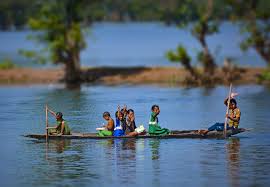
Bridge. You will find fishermen’s small boats to enter the Ratargul from Shringi Bridge. The boat is perfect for 4 to 6
persons. The price of a boat is from BDT 400 to 800.
The second route to Ratargul from Sylhet is to go to Sharighat via Jaflong. From Sylhet to Sharighat, it will cost BDT 40 to
50. Go to the Gowainghat from Sharighat by Baby Taxi. Then you have to take the boat for going to Ratargul. For 10-12 people,
the cost of a boat will need around BDT 800 to 1200. In this route, it takes more time and cost.
Map Locaion:

Top 𝟙𝟘 things to do in 𝓡𝓪𝓽𝓪𝓻𝓰𝓾𝓵 𝓢𝔀𝓪𝓶𝓹 𝓕𝓸𝓻𝓮𝓼𝓽
1. Canoeing
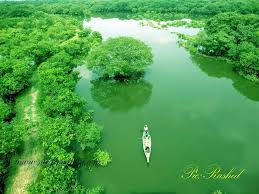
Experience the serene beauty of Ratargul Swamp Forest in one of the most exciting ways – canoeing. Glide along the gentle waterways of this freshwater swamp forest, which is one of the few of its kind in the world. Enveloped by lush greenery and a unique ecosystem, canoeing through Ratargul allows visitors to come up close with various species of plants, trees, and aquatic creatures. As the oar slices silently through the clear water, you may spot birds like kingfishers or even the occasional monkey among the branches. Take in the peaceful environment and enjoy the reflection of the dense forest canopy mirrored on the water surface. A local guide will usually accompany visitors to navigate the water paths safely and provide insights about the forest's flora and fauna.
2. Bird Watching
Ratargul Swamp Forest is a haven for bird enthusiasts. With a rich avifauna, the forest provides an ideal habitat for a range of bird species. Bird watching in Ratargul can be an enthralling activity where one can observe various species of indigenous birds as well as migratory birds that visit seasonally. Guided tours are recommended for the best experience, as local experts know the most frequented spots by these feathered creatures. Equip yourself with a pair of binoculars and listen to the symphony of bird calls as you spot kingfishers, herons, egrets, and other exotic birds in their natural habitat. The lush green backdrop and the interplay of light and shadow make for a magical birding adventure.
3. Nature Photography
Photographers and nature lovers alike flock to Ratargul Swamp Forest to capture its ethereal beauty. The unique landscape offers countless opportunities for nature photography, from the diverse wildlife and verdant plant life to the stunning reflections on the water and mystical fog on cooler mornings. The varied light conditions in the forest create dramatic effects for breathtaking photographs. Whether you're a professional looking to add to your portfolio or an amateur wanting to document the allure of nature, Ratargul Swamp Forest doesn’t disappoint. It's advisable to bring your own equipment and be prepared for a tranquil excursion that allows you to view nature through your lens.
4. Camping
Brave the wild and spend a night camping within the vicinity of Ratargul Swamp Forest. While the forest itself does not allow for overnight stays, nearby designated camping grounds offer the adventurous soul a chance to sleep under a canopy of stars. Enjoy the sounds of the forest at night, a chorus of nocturnal creatures, and the rustling of leaves. Campers need to bring their own gear and should be aware of the safety precautions when staying outdoors. This thrilling experience connects you with nature and can be both humbling and exhilarating. Local tour operators may provide camping packages which include meals and guided tours to the forest.
5. Trekking
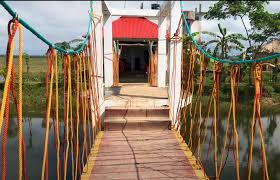
Trekking through Ratargul Swamp Forest is an activity that promises an exhilarating and educating experience. The forest floor is often submerged under water, making trekking here a unique experience. Walk on designated pathways and wooden bridges that crisscross the watery expanse, providing a safe and eco-friendly way to explore. A trek through Ratargul offers an intimate look at the diverse ecosystem of the swamp, with every step introducing trekkers to new sights, sounds, and smells. From the rich biodiversity to the intricate waterways, the forest engulfs trekkers in its enchanting embrace. A local guide is essential for navigating through the forest and learning about the various plant and animal species encountered.
6. Ecotourism Education
Participate in an ecotourism education program at Ratargul Swamp Forest to learn about the sustainable practices that help preserve this unique ecosystem. Visitors, especially students and nature enthusiasts, are enlightened about the importance of conservation, the threats that the forest faces, and the ways in which they can contribute to its protection. These programs often involve interactive sessions with experts, and may include activities that illustrate the delicate balance of natural habitats. The program aims to foster a deeper understanding and appreciation for the natural world, encouraging responsible tourism and lifestyle practices that can make a positive environmental impact.
7. Local Cultural Experience
Not too far from the mysterious allure of Ratargul Swamp Forest, visitors have the opportunity to immerse themselves in local cultural experiences. Engage with the community that lives in harmony with the forest and learn about their way of life, their traditions, and their cuisine. Explore the local markets, taste traditional Bengali dishes, or participate in a cultural program. Such experiences complement the natural exploration of Ratargul, offering a holistic glimpse into the lifestyle that surrounds this ecological gem. Cultural tours can be arranged independently or through local tour operators, and may include home visits, craft sessions, or traditional performances.
8. Canopy Walk
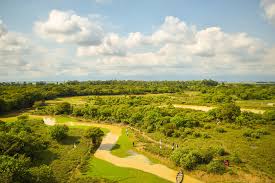
Although a more uncommon activity due to the nature of the swamp forest's environment, some local operators may offer a canopy walk or similar treetop experience in areas near Ratargul Swamp Forest. This activity provides an elevated view of the forest, allowing visitors to gaze out over the vast green canopy and the water networks below. Walking among the treetops, guests can encounter different species of birds and plants not easily seen from the ground. It's a thrilling adventure that offers a different perspective of the swamp and its rich biodiversity. Keep in mind that canopy walks should be booked with a reputable and ecologically responsible tour operator.
9. Flora Identification Workshop
Nature lovers and botany enthusiasts visiting Ratargul Swamp Forest can enrich their experience by participating in a flora identification workshop. Led by a botanist or a knowledgeable local guide, these workshops provide deeper insight into the diverse plant life that thrives within the forest's unique ecosystem. Participants learn to identify various plant species, their ecological significance, and the benefits they provide to the environment. Engaging in such a workshop not only enlightens tourists about the ecological value of Ratargul but also enhances their overall appreciation for the complexity and beauty of the natural world.
10. Fishing with Locals
For an authentic grassroots experience in Ratargul Swamp Forest, join the local fishermen in their daily routine and try your hand at traditional fishing methods. This activity allows visitors to understand the local way of life and the sustainable fishing practices that are in harmony with the ecosystem. The fishing activity is typically conducted on small wooden boats, and visitors can learn how to use the local fishing gear. It’s a tranquil, often meditative, experience that also challenges your patience and skill. Connecting with the locals over this shared activity can be a truly rewarding and educational part of any trip to Ratargul.