Explore Jaflong
Jaflong (Bengali: জাফলং) is a hill station and tourist destination in the Division of Sylhet, Bangladesh. It is located in Gowainghat Upazila of Sylhet District and situated at the border between Bangladesh and the Indian state of Meghalaya, overshadowed by subtropical mountains and rainforests. It is known for its stone collections and is home of the Khasi tribe.[1][2]
𝓐𝓫𝓸𝓾𝓽 𝓙𝓪𝓯𝓵𝓸𝓷𝓰 :
Jaflong is one of the most visited tourist attractions in Bangladesh located in the Sylhet division.
It is 60 kilometers away from Sylhet city which is about one and a half hour's journey from Sylhet city by road.
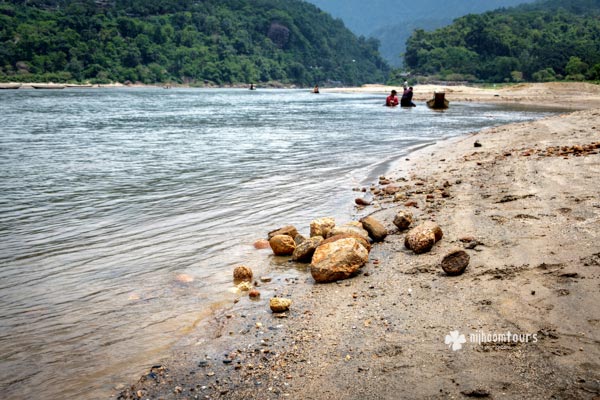
The most spectacular aspect of Jaflong is the collection of stones from the hills and tea gardens. Jaflong is situated at the
foot of the Khasia hills and along the Mari River. Mari River has originated from the Himalayas Mountain. A Million tons of
stone come in with the tide of the river. You will surely enjoy the collection of stones through the journey of the Mari
River. This river is also known as the Piayeen.
Jaflong is a beautiful mountainous area full of natural beauty surrounded by green hills and forests. Plenty of wild animals
live here. So, while visiting the forest you have to be careful about the wild animals. The life and livelihood of Khasia
tribes can also be seen in Jaflong.
If you would like to make a plan to visit Jaflong, you must calculate the time accordingly so you can return to Sylhet city
before evening. Usually, winter is the best time to visit Jaflong. But if you want to enjoy the mountainous fountain properly,
you may visit in the rainy season too.
Best Time to Visit
The best time to visit Jaflong is during the winter months, from November to February when the weather is cool and the landscapes are lush.
How to go there?
- Local Bus/Ac Bus
- Microbus
- Train
- Car
- Airplane
Discription of Transport & its Rent
Dhaka To Sylhet: You can come to Sylhet by any bus from Dhaka. There are a lot of bus services
that leave from the terminals of Fakirapul, Gabtali, Sayedabad, Mohakhali, and Abdullapur in Dhaka. For example, Green lines,
Shyamoli, Saudia, S. Alam, and Ena Paribahan, the price is usually between BDT 400 to 500 For Non-AC and BDT 800 to 1200 For
AC bus. In the morning, day or night, you will find several bus services. It is nearly 240 KM from Dhaka to Sylhet and takes
only 6 hours to reach.
If you want to go with Train, you can go to Kamalapur or Airport Railway Station to visit Sylhet. There are several train
service including Upobon, Jayantika, Parbat or Kalni Express. According to the class, it takes only BDT 280 to 1200. It takes
7-8 hours to go to Sylhet on the train.
If you want to visit Sylhet in the fastest and easiest way, you can go by Plane. From Shahjalal International Airport, there
are various Air Plane that leave for Sylhet. For Example, Biman Bangladesh, Regent Air, United Airways, Novo Air and US
Airplane. Considering the class, it takes nearly BDT 3000 to 10000.
Chittagong To Sylhet: From Chittagong to Sylhet, there any many bus services including Green Line, Enna, Saudia. It
takes BDT 700-2000 for AC and non-AC. You can also go by Train (Paharika and Udayan) 6 days a week. Train fares range from BDT
250 to 1100.
Sylhet To Jaflong: Almost all kinds of vehicles go from Sylhet to Jaflong. You will get the vehicles from Shibganj More and
it will cost you nearly BDT 80. You can go to Jaflong by CNG or Auto with BDT 1200 to 2000. If you take Microbus, it will cost
BDT 3000 to 5000 for the whole day. From any places of Sylhet city, you will find CNG or Auto Rickshaw. If you are in a group,
the best and affordable way is going with Microbuses. It will help you to see the sight from anywhere. Don’t forget to bargain
to get with the affordable prices.
Map Locaion:

Top 𝟙𝟘 things to do in 𝓙𝓪𝓯𝓵𝓸𝓷𝓰
1. Boat Ride on Dawki River
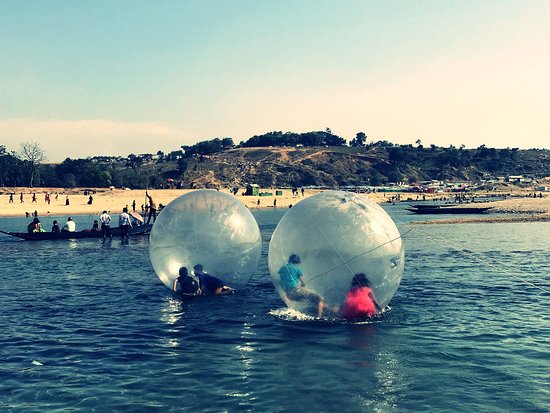
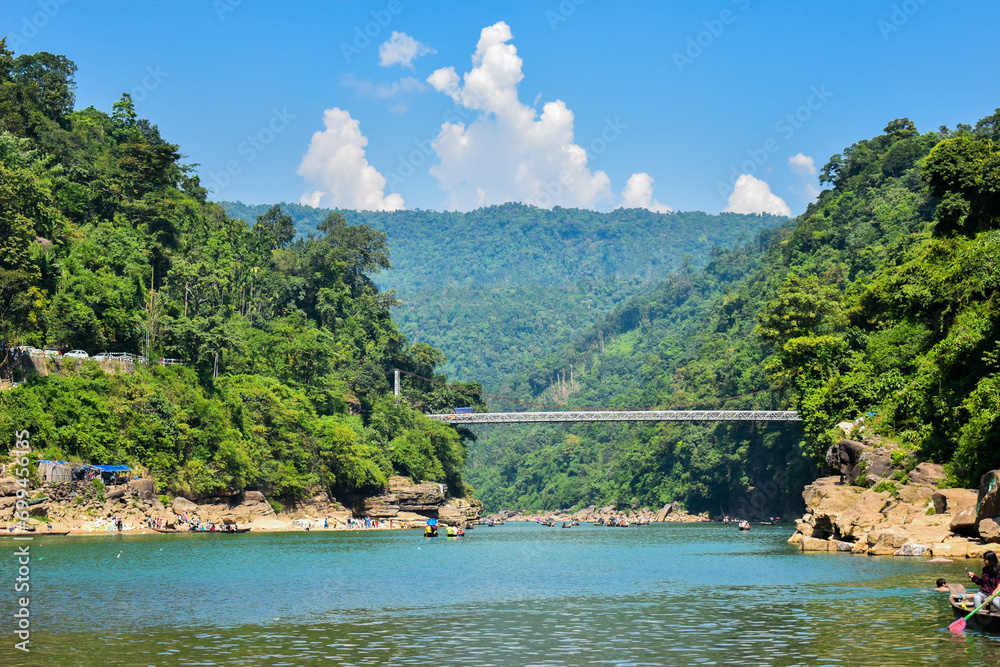
Embark on a tranquil boat ride on the Dawki River, which runs between India and Bangladesh and is known for its crystal-clear waters. The journey offers a serene experience as you glide over the emerald-green water, with views of lush green hills on both sides. During the ride, visitors can marvel at the underwater scene visible from the boat due to the exceptional clarity of the river. It's an ideal opportunity for photography enthusiasts to capture the stunning landscape and the unique transparent river phenomenon. Additionally, the boat trip allows tourists to witness the daily life of local fishermen and the richness of the surrounding ecosystem.
2. Visit Jaflong Zero Point
Jaflong Zero Point is where the Indian border meets Bangladesh, and visitors can see the fence that divides the two nations. Tourists can observe the stunning natural scenery and the cultural integration of local tribes like the Khasis. While at Zero Point, one can also learn about the local stone collection activities—stones that are primarily collected from the riverbed and surrounding areas. The visit offers an enlightening experience to understand the geopolitics of the region, as well as a chance to interact with local vendors selling souvenirs and traditional items.
3. Explore Tea Gardens
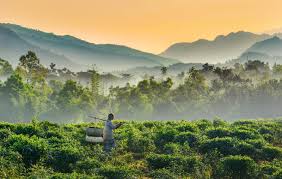
An exploration of the vast and verdant tea gardens surrounding Jaflong is a must for nature lovers. The region is dotted with tea estates that provide a deep insight into the process of tea cultivation, plucking, and processing. As you walk through the tea gardens, the endless greenery and the neatly arranged rows of tea plants offer a perfect backdrop for a leisurely stroll or a photo session. Visitors may have the chance to interact with tea garden workers and learn about their daily lives and the intricacies of tea production. The peaceful and aromatic atmosphere of the tea gardens promises a refreshing break from the hustle and bustle of city life.
4. Hiking to Khasia Villages
The indigenous Khasia tribes inhabit the hills near Jaflong, offering visitors a rich cultural experience. A hike to the Khasia villages not only provides an opportunity to interact with the tribespeople but also to observe their unique way of life, traditions, and the betel leaf cultivation which is central to their livelihood. The journey through the forested hill tracks is an adventure, and upon reaching the villages, the friendly locals often welcome guests with warm hospitality. The Khasia community's sustainable lifestyle is a study in harmony with nature, which is inspiring and enlightening for visitors.
5. Bird Watching
Jaflong, with its diverse ecosystems, is a haven for bird watchers. The area is home to many different species of birds, both resident and migratory. Visitors can take a quiet walk early in the morning or in the evening to spot a variety of birds in their natural habitat. The lush greenery and the riverine landscape provide ample opportunities to view birds like kingfishers, bulbuls, orioles, and even rare species depending on the season. Bird watching in Jaflong is a peaceful and rewarding activity that connects one with the beauty and diversity of Mother Nature.
6. Picnicking at Lalakhal
Lalakhal, located near Jaflong, is known for its turquoise-blue water and is a popular spot for family picnics and outings. Visitors can rent a boat to explore the serene Sari river that flows from India into Bangladesh, with the backdrop of the Meghalaya hills. The lush greenery around the riverbanks and the clear waters make for an idyllic picnic spot. Tourists can also taste the local cuisine by visiting nearby restaurants or bringing their own food for a day filled with relaxation and fun. The combination of natural beauty and tranquility makes Lalakhal a memorable destination for visitors of all ages.
7. Swimming in Panthumai Waterfall
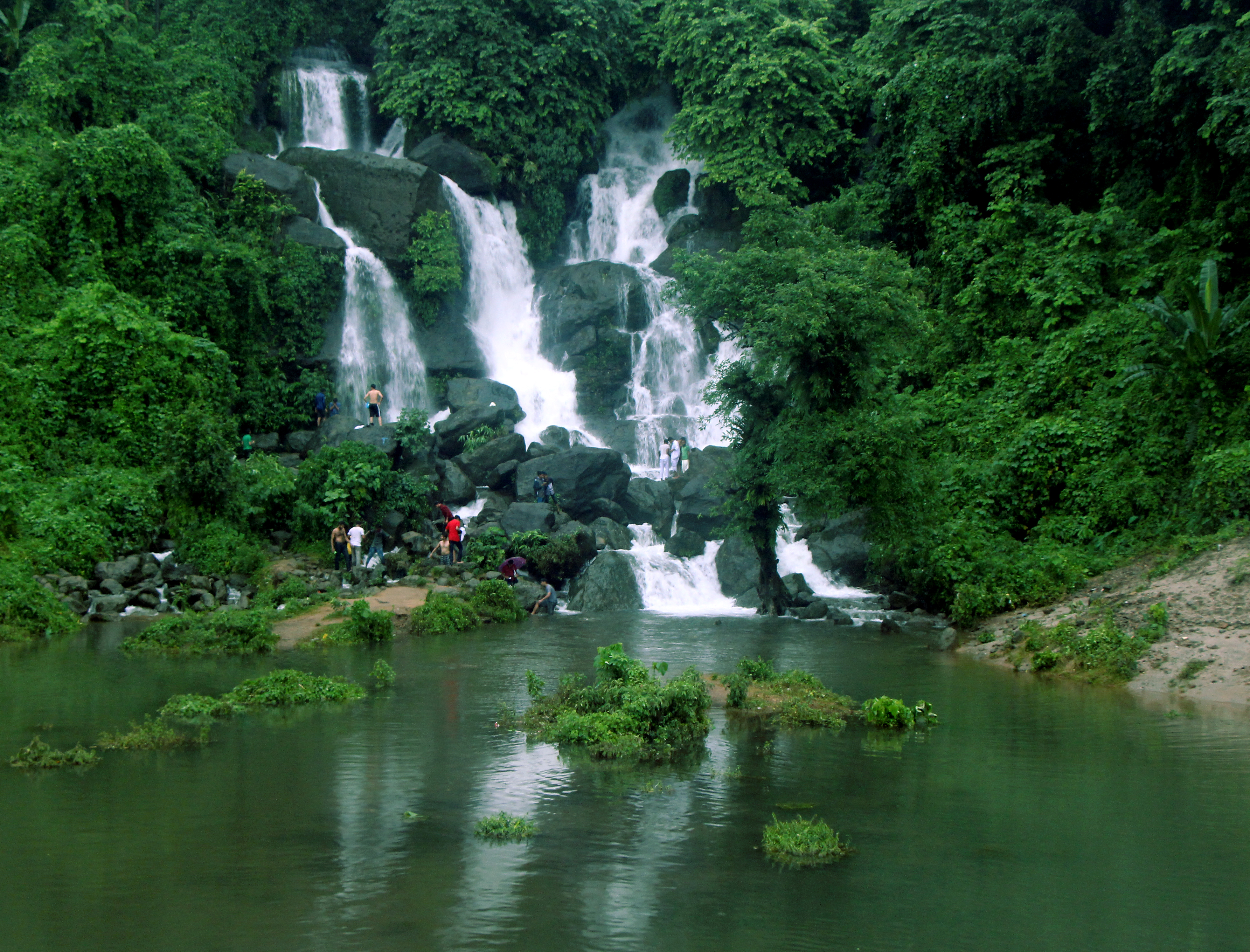
Located near the Bangladesh-India border, the Panthumai Waterfall is a breathtaking natural wonder just a short distance from Jaflong. Visitors can take a dip in the refreshing waters of the waterfall or simply enjoy the scenic beauty of the area. The lush vegetation and the mist from the waterfall create a refreshing atmosphere. Swimming in the tranquil pool beneath the waterfall is an exhilarating experience, allowing visitors to connect with nature and find respite from the heat. The water is most vibrant during the monsoon season, making it an ideal time for a visit.
8. Capture the Beauty of Jaflong Bridge
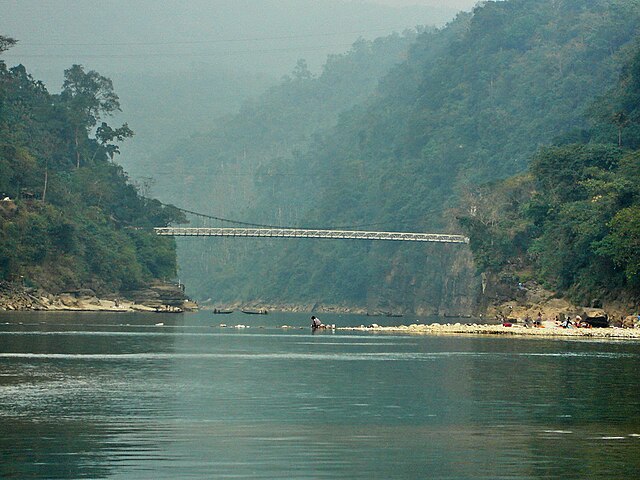
The picturesque Jaflong Bridge is a popular site for photography, offering stunning views of the surrounding mountains and the river below. The bridge is an excellent spot to capture the essence of Jaflong's natural beauty with the backdrop of the Khasi hills. Visitors often stop here to take photos and enjoy the panoramic vistas. The place is especially enchanting in the early morning or late afternoon when the soft sunlight casts a golden hue over the landscape. Photographers and nature enthusiasts find the bridge an ideal location to document the visual splendor of the area.
9. River Angling
For those interested in fishing, the Dawki River at Jaflong offers a peaceful and rewarding angling experience. The river's rich biodiversity means that there's a good chance of catching a variety of fish. River angling allows visitors to immerse themselves in the peaceful environment while waiting for the catch of the day. The activity also provides a chance to blend in with the locals, sharing their fishing techniques and maybe even a story or two. It's a calming way to spend the day and is especially rewarding when you finally reel in a fish.
10. Souvenir Shopping at Local Markets
Visiting Jaflong's local markets provides an opportunity to find unique souvenirs and gifts. The markets offer a range of items, from traditional handicrafts like handwoven textiles, bamboo and cane crafts, to locally made jewelry and regional spices. Shopping at these markets not only allows tourists to take home a piece of Jaflong but also supports the local economy and craftspeople. Bargaining is common, so visitors can enjoy the experience of haggling for the best price. The market is a lively place where one can also taste local street food and interact with friendly vendors.